


Not All Rubber Tracks Are Created Equal: Are You Running the Right Tracks?
Posted by Nate on 27th Oct 2026
Not All Rubber Tracks Are Created Equal: Are You Running the Right Tracks?
When it comes time to replace the rubber tracks on your skid steer or compact track loader, it's tempting to find the correct size, compare prices, and order the cheapest option.
After all, rubber tracks are rubber tracks, right?
Well, not quite.
The tracks under your machine can make a real difference in traction, ride comfort, ground disturbance, and operating costs.
And while two tracks might fit the exact same machine, they could perform very differently depending on where you're working.
An operator clearing rocky properties all day has very different needs from a landscaper working on finished lawns or a contractor pushing snow in January.
So, are you getting the most out of your tracks? Let's dig into what actually matters.
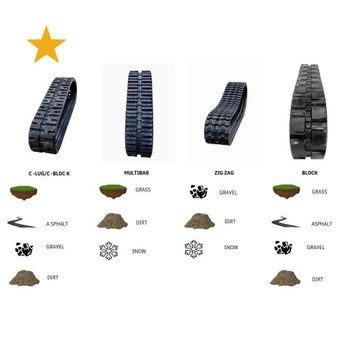
Featured photo: SSS rubber track tread comparison.
1. Understanding Rubber Track Tread Patterns
One of the biggest differences between rubber tracks is the tread pattern. Those grooves, bars, and blocks aren't just there for looks. They're designed to influence how your machine grips different surfaces.
Here are four common options worth knowing.
C-Pattern Tracks: The All-Around Choice
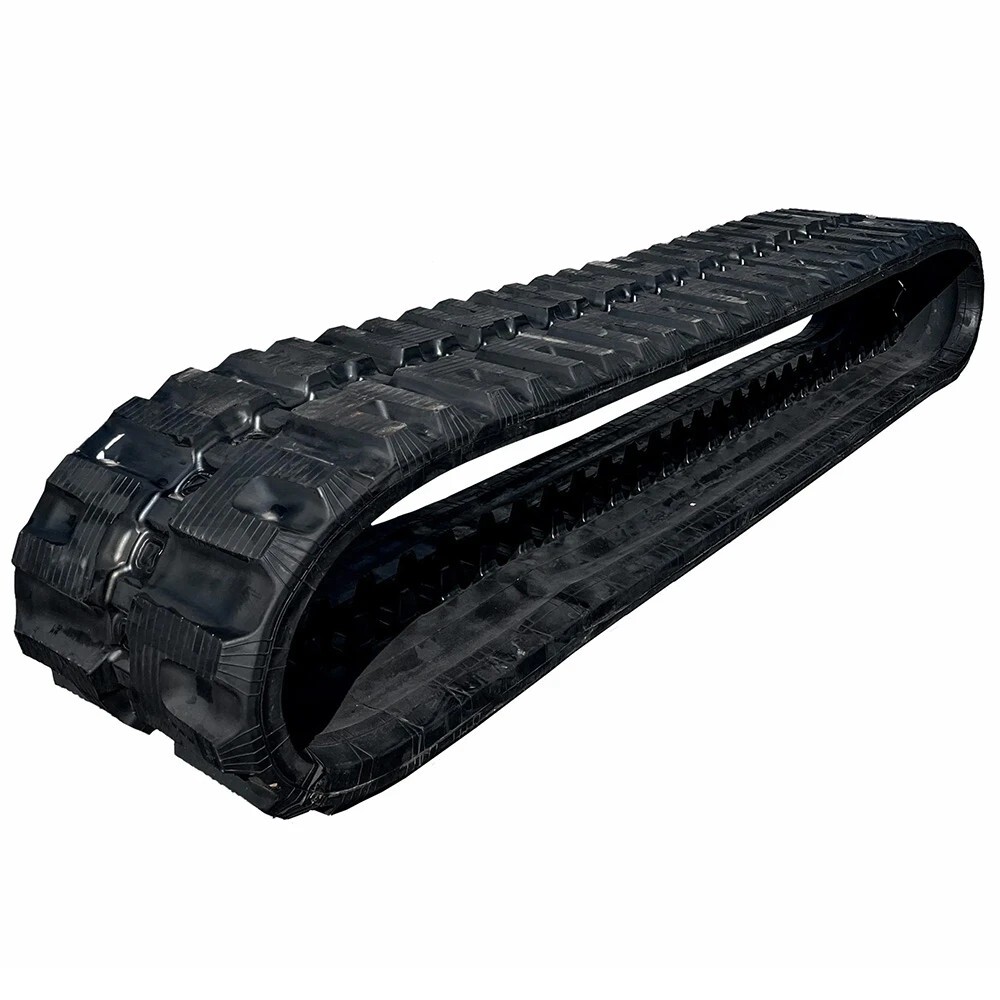
C-pattern tracks, sometimes called C-lug tracks, have been popular on compact track loaders for years.
They're a versatile option, offering a balance of traction, ride comfort, and durability.
Common applications:
-
General construction
-
Landscaping and property maintenance
-
Dirt, gravel, and mixed terrain
-
Everyday equipment operation
Where they fall short: They may not provide the specialized snow traction or turf protection available from other designs.
Block Pattern Tracks: Ready for Tougher Jobs
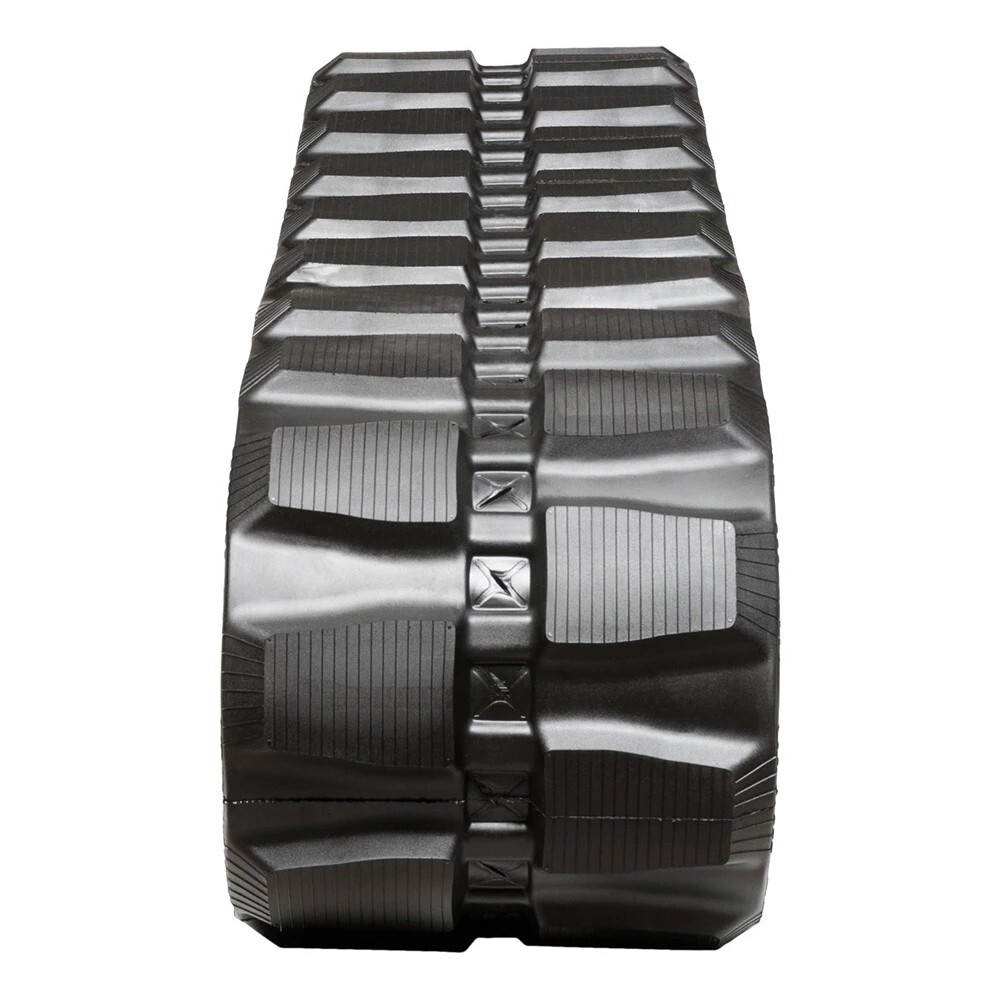
Block-pattern tracks use individual rubber blocks to create a durable tread surface.
Heavy-duty versions can be particularly well suited for abrasive conditions and high-hour applications.
Common applications:
-
Construction and demolition
-
Gravel and hard-packed dirt
-
Rocky or abrasive jobsites
-
General material handling
Where they fall short: Many block designs don't provide the same grip in snow and slippery conditions as zigzag or certain bar-style tracks.
Zigzag Tracks: Getting a Grip on Slippery Ground
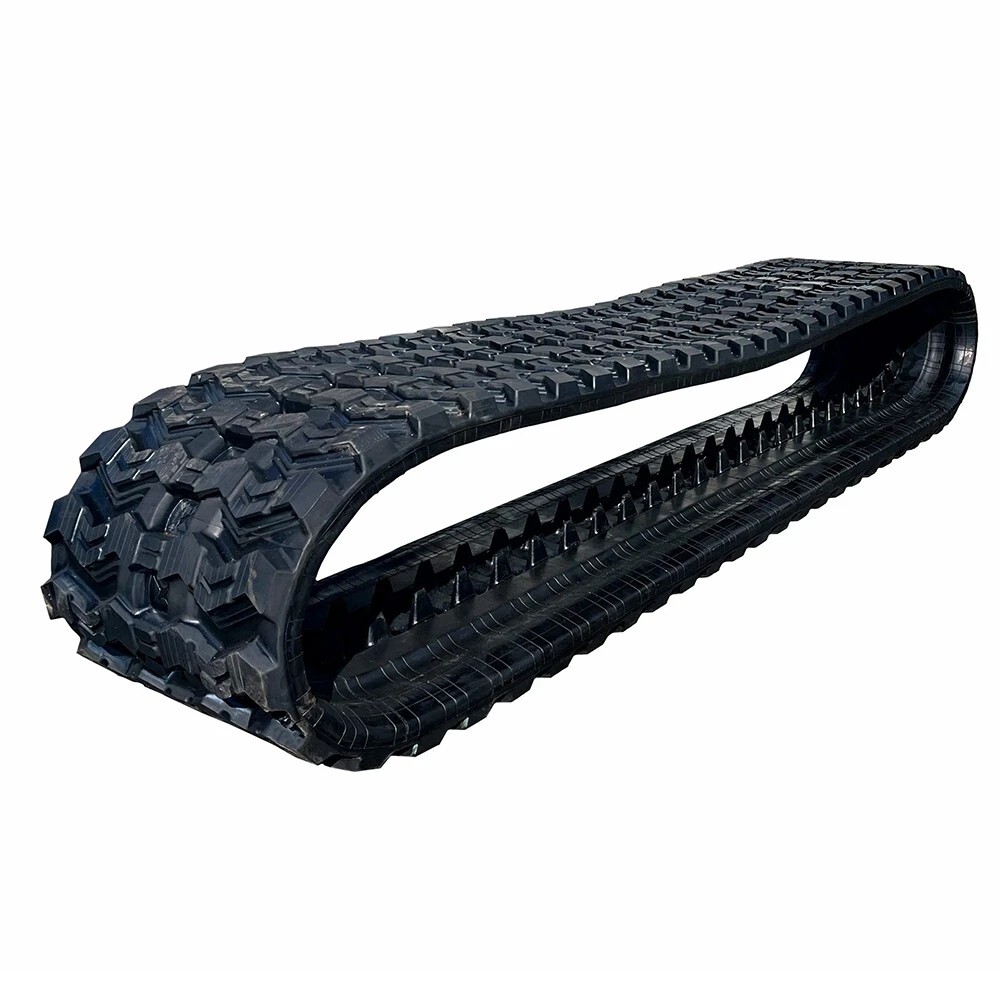
Zigzag tracks, sometimes called Z-pattern or chevron tracks, feature angled tread sections that can provide additional biting edges.
They can be useful when traction becomes the biggest challenge.
Common applications:
-
Snow removal
-
Wet clay and muddy jobsites
-
Soft or loose soil
-
Slippery ground, within the machine's approved operating limits
Where they fall short: Some zigzag tracks may wear faster or create more vibration in highly abrasive conditions, depending on their construction.
And remember, no conventional rubber track is slip-proof on ice.
Multi-Bar Tracks: Comfort and Versatility
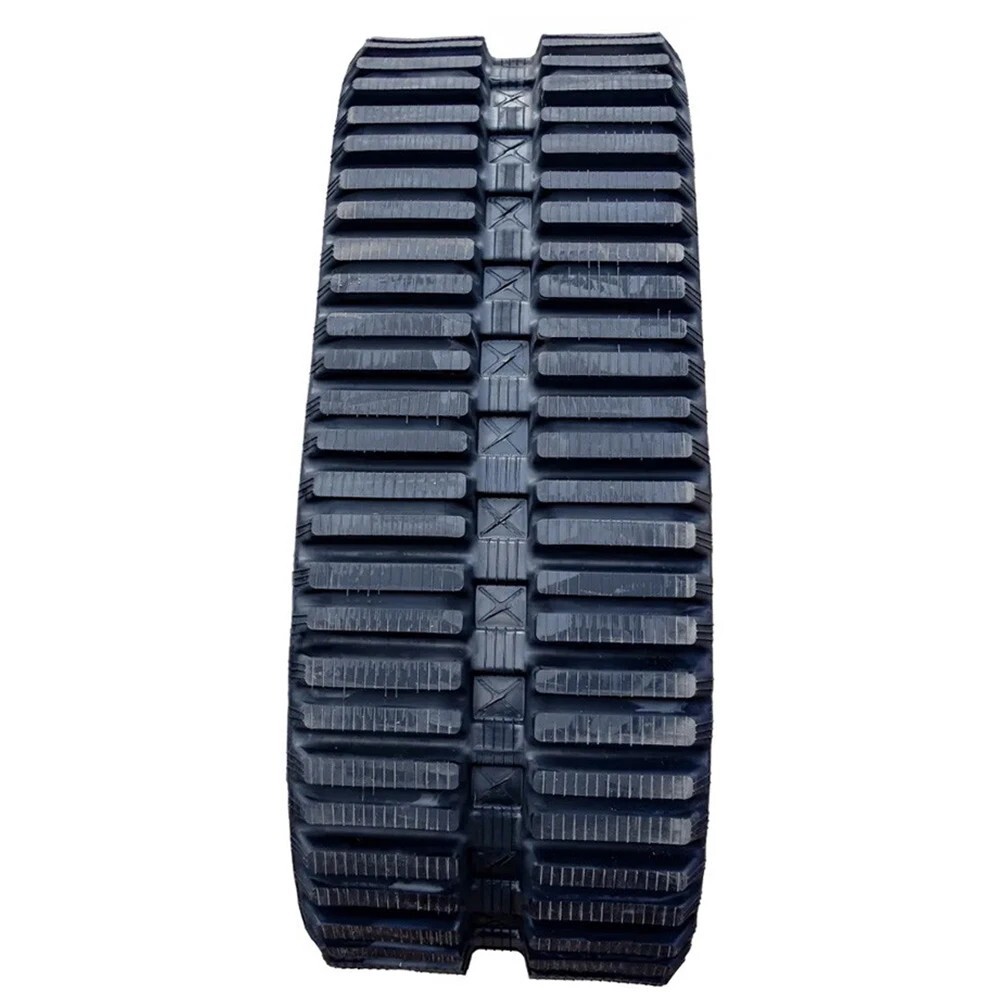
Multi-bar tracks use closely spaced tread bars to create a relatively consistent contact surface.
They're worth considering for operators who prioritize a balance of traction, ride comfort, and reduced ground disturbance.
Common applications:
-
Landscaping
-
General property maintenance
-
Dirt, sand, and gravel
-
Certain snow-removal applications
Where they fall short: Certain multi-bar designs can pack with sticky mud or struggle in especially abrasive demolition work.
One thing worth mentioning: Manufacturers don't always use identical names for their tread patterns. Always compare the actual track specifications, not just the name.
2. Which Rubber Track Is Best for Your Application?
Here's where we'd start if you called Skid Steer Solutions looking for replacement tracks.
What type of work does your machine spend most of its time doing?
The Residential Landscaper
You're moving dirt, grading yards, and working around established lawns.
Ground disturbance and ride comfort probably matter almost as much as traction.
A turf-conscious bar-style or suitable all-purpose tread may be a good place to start.
The Land Clearing Contractor
You're constantly running across roots, rocks, stumps, and rough terrain.
Your priorities are durability, resistance to cuts and damage, and keeping downtime to a minimum.
This is where a heavy-duty block or reinforced all-purpose track may make sense.
The Snow Removal Contractor
You're clearing parking lots, commercial properties, and snow-covered driveways.
Traction becomes especially important.
A zigzag or manufacturer-approved snow-specific tread may be worth considering, while keeping in mind that no rubber track eliminates the hazards of ice.
Of course, no one track performs perfectly everywhere. If you're running a variety of jobs, a good all-around pattern might make more sense than a highly specialized option.
3. What Do Rubber Track Size Numbers Mean?
Ever looked at a rubber track marked 400 × 86 × 50 and wondered what those numbers actually mean?
It's simpler than you might think.
-
400: Track width in millimeters
-
86: Pitch, or spacing between internal drive links, in millimeters
-
50: Number of links around the track
These measurements are essential when ordering replacement tracks.
But here's something important: Matching those numbers alone doesn't always guarantee a proper fit.
Guide-lug design, roller configuration, the machine's exact model, and sometimes its serial number can make a difference.
Before ordering, check your existing tracks, consult your operator's manual, or have an attachment and track specialist verify compatibility.
4. The Cheapest Tracks Aren't Always the Least Expensive
Let's talk about something every equipment owner understands: operating costs.
Nobody enjoys replacing rubber tracks. They're an investment, and when a track fails unexpectedly, the cost goes beyond the replacement itself.
You've got downtime, labor, potentially missed jobs, and the frustration of getting a machine back up and running.
When comparing tracks, consider more than the purchase price.
Look at:
-
Rubber compound and construction quality
-
Internal steel-cord reinforcement
-
Resistance to cuts, abrasions, and chunking
-
Manufacturer warranty and support
-
Suitability for your application
Here's a simple hypothetical example.
Say one track costs $1,000 and lasts 900 operating hours. That's approximately $1.11 per hour.
Another costs $1,400 but lasts 1,500 hours. That's approximately $0.93 per hour.
The second track costs more up front but less per hour of use.
Those aren't expected lifespans for any particular product. Actual results depend heavily on operating conditions and maintenance.
Still, it's a useful reminder that the best value isn't always sitting behind the lowest price tag.
5. Don't Let Poor Maintenance Destroy Good Tracks
Even the best rubber tracks won't deliver their full value if the undercarriage is neglected.
A few simple habits can make a difference.
Keep your undercarriage clean. Rocks, mud, and packed debris can create unnecessary wear and interfere with moving components.
Check track tension. Too tight or too loose can cause problems. Follow the machine manufacturer's specifications and adjustment procedures.
Inspect rollers, idlers, and sprockets. Worn components can shorten track life and contribute to unexpected failures.
Avoid unnecessary aggressive turns. Repeated counter-rotation or sharp pivot turns, especially on abrasive surfaces, can accelerate wear.
Pay attention to early warning signs. Deep cuts, exposed cables, damaged internal lugs, abnormal wear, or repeated derailments are reasons to stop and inspect the machine.
And here's one more thing: If you're replacing worn tracks, take a good look at the rest of the undercarriage before installing your replacements.
New rubber tracks won't magically fix worn-out rollers or sprockets.
6. Finding the Right Rubber Tracks Just Got Easier
With so many manufacturers, track sizes, and tread patterns available, finding the right replacement can become frustrating pretty quickly.
At Skid Steer Solutions, we want to make that process easier.
That's why we've been improving the way customers shop for replacement tracks, including our new Track Finder experience.
Rather than guessing your way through hundreds of products, you can start by identifying your machine and exploring compatible replacement options.
Explore Tracks & Tires by Machine
And if you're unsure which tread pattern makes sense, we're happy to help.
Knowing your machine model, the terrain you're working on, and the type of jobs you're performing will help us narrow down the right options.
Frequently Asked Questions
What is the best rubber track tread pattern for a skid steer?
There isn't one perfect tread pattern. C-patterns offer versatility, heavy-duty blocks are often suited to abrasive work, zigzag designs can perform well in mud and snow, and certain bar patterns offer smooth operation and reduced ground disturbance.
Are all rubber tracks the same quality?
No. Rubber compounds, reinforcement, construction, tread design, and manufacturing standards vary. Comparing price alone won't tell you which track will offer the best long-term value.
How do I know what size rubber tracks I need?
Check the markings on your current track or your machine's specifications. Width, pitch, link count, and internal guide design all matter.
Can I use the same tracks year-round?
Yes, many general-purpose rubber tracks are designed for year-round use. However, contractors regularly operating in specialized conditions may benefit from selecting a tread specifically suited to that environment.
Final Thoughts: Find the Right Track for the Job
Rubber tracks aren't the most exciting purchase you'll make for your machine.
But they're one of the most important.
They connect your machine to the ground, influence how it performs, and can have a significant impact on your operating costs.
Before buying your next set, take a little time to understand your options.
The right track isn't necessarily the most expensive or the most aggressive. It's the one that makes the most sense for your machine and the work you're doing.
At Skid Steer Solutions, we're here to help you find that solution.
Explore our Tracks & Tires selection, shop by machine, or give us a call at 866-966-2538.
We Don’t Just Sell It, We Solve It.