


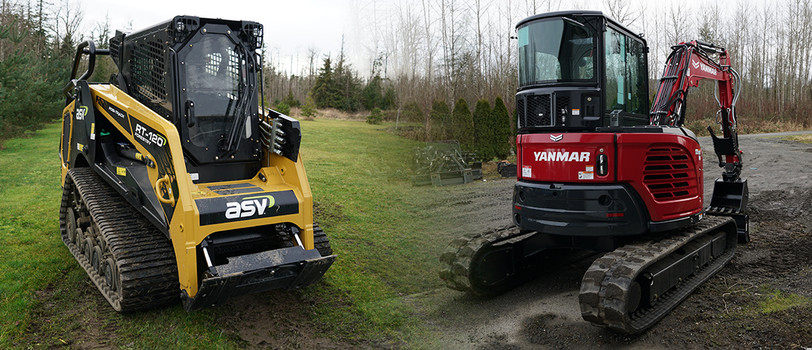
2026 Section 179 Tax Deductions for Skid Steers & Attachments
Posted by Nate on 22nd Oct 2026
Section 179 in 2026: What Skid Steer Owners Should Know Before Year-End
As 2026 comes to a close, there's one thing every equipment owner should have on their radar: Section 179 tax deductions.
Whether you're running a landscaping company, clearing land, working in construction, or operating a small excavation business, understanding equipment tax deductions could help you make smarter financial decisions before the end of the year.
And here's something worth knowing: Skid steer attachments may qualify too, not just the machines themselves.
Let's break it down.
What Is Section 179?
Section 179 is a federal tax provision that allows businesses to deduct the cost of qualifying equipment in the year it's placed into service, rather than spreading the deduction over several years.
For contractors, that could include:
-
Skid steers and compact track loaders
-
Excavators and mini skid steers
-
Forestry mulchers and brush cutters
-
Augers, grapples, buckets, and other qualifying attachments
-
Other machinery purchased for business use
Both new and qualifying used equipment may be eligible.
What's New for 2026?
The Section 179 limits have increased for 2026.
For tax years beginning in 2026:
-
Maximum Section 179 deduction: $2,560,000
-
Equipment spending phaseout threshold: $4,090,000
-
Bonus depreciation: 100% for certain qualifying property acquired after January 19, 2025, and placed in service after that date
These are federal limits, not amounts every business automatically qualifies to deduct. Section 179 is also limited by taxable income from active business operations, and additional rules apply.
Bonus depreciation is a separate tax provision with different requirements. It may provide additional options for certain new and used equipment.
What Could This Mean for Your Business?
Let's say you operate a landscaping company and purchase a $20,000 brush cutter for your skid steer.
If the attachment qualifies and your business meets the necessary requirements, you may be able to deduct the full $20,000 from your taxable income in 2026.
That doesn't mean you're getting $20,000 back from the IRS. It means you're potentially reducing the income your business pays taxes on.
Your actual tax savings depend on your tax situation.
Do You Have to Pay Cash?
Not necessarily.
Qualifying equipment purchased through financing may still be eligible for Section 179, even if you're making payments over time.
Generally, you must own the equipment for tax purposes. Ordinary rental arrangements and some leases are treated differently.
This is worth discussing with your accountant if you're considering financing equipment.
Don't Forget the Year-End Deadline
For businesses operating on a calendar tax year, equipment generally needs to be placed in service by December 31, 2026 to qualify for a 2026 deduction.
That means the equipment must be ready and available for its intended business use—not simply ordered before year-end.
Other important considerations:
-
Equipment must generally be used more than 50% for business purposes to qualify for Section 179.
-
If equipment is also used personally, only the eligible business-use portion can qualify.
-
State tax rules may differ from federal rules.
-
Your accountant can help determine whether Section 179, bonus depreciation, or regular depreciation makes the most sense.
One Last Thought
Tax advantages can be valuable, but they shouldn't be the only reason you purchase equipment.
At Skid Steer Solutions, we believe the right attachment should first and foremost help your business become more productive, efficient, and profitable.
If you're already planning to expand your equipment lineup, understanding these tax opportunities could help you make a more informed decision.
Have questions about attachments for your machine?
Explore our skid steer and equipment attachments, or give us a call at 866-966-2538. We're happy to help you find the right solution for the work you're doing.
And as always, consult a qualified tax professional before making equipment purchases based on potential tax deductions.
Disclaimer: This article is intended for general educational purposes and does not constitute tax or financial advice. Tax benefits depend on individual circumstances and applicable laws.
Sources: IRS Publication 946 — How to Depreciate Property and IRS guidance on 100% bonus depreciation.